

Pre-Opening QA: Testing Machines, Leaks, Dryer Heat, Payments
Opening a laundromat is not just about installing machines and unlocking the doors. Before customers walk in, every system must be tested under real operating conditions. A proper laundromat pre-opening checklist helps reduce breakdowns, avoid early complaints, and protect your investment from day one. The current blog describes the way to implement an organized pre-opening QA procedure that addresses the machine work, water leakage, air heater, airflow, and payment. The objective is uncomplicated: ensure safe, consistent, and expected operation of all equipment prior to launch.
Why Pre-Opening QA Matters
Pre-opening quality checks make sure that machines are functioning properly under a load, the utility is stable, and systems facing customers are responding appropriately. Failing to do this results in money back, downtime and bad reviews within the first few weeks.
A complete QA process should simulate real customer usage. Machines should run full cycles, dryers should reach target temperatures, and payment systems must process transactions without errors.
Washer Performance and Leak Checks
Functional Machine Validation
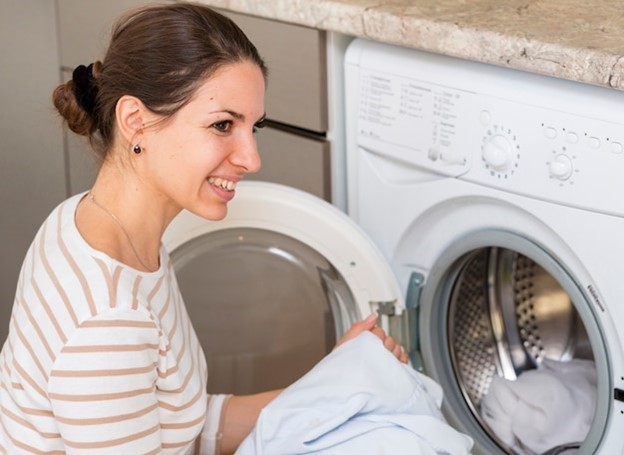
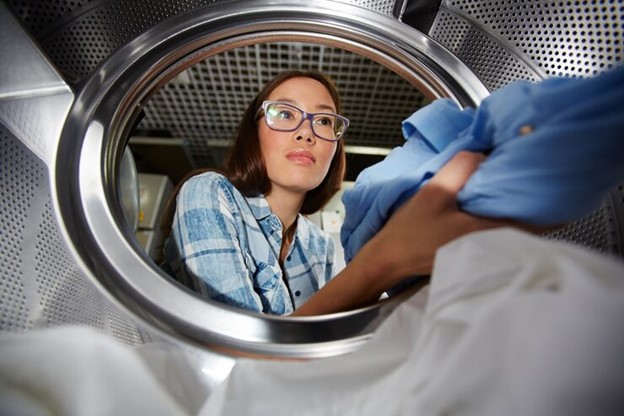
Washer testing should begin with empty cycles and progress to full loads. This confirms correct water levels, drum rotation, drain timing, and vibration control. Machines must complete cycles without error codes or abnormal noise.
Key checks to complete:
- Fill and drain cycles at all temperature settings
- Door lock engagement and release timing
- Spin balance under medium and heavy loads.
Plumbing and Leak Inspection
Leak detection should run in parallel with washer validation. Inspect inlet hoses, drain pipes, floor traps, and machine bases during and after cycles. Even minor seepage can escalate into floor damage or electrical risks once customer volume increases.
Dryer Heat and Airflow Testing
Heat Consistency and Safety
Dryers must reach and maintain the correct temperature range throughout the cycle. Inconsistent heating increases dry times and energy usage. Monitor temperature stability across multiple runs.
Venting and Air Movement
Proper dryer airflow is critical for drying efficiency and fire safety. Restricted airflow leads to lint buildup and overheating. Confirm that exhaust ducts are sealed, unobstructed, and correctly sized.
Recommended checks:
- Airflow measurement at exhaust points
- Lint screen fit and sealing
- Heat shutdown response during overload conditions
Payment and Control System Verification
Transaction Accuracy
Payment testing should cover every supported method, including coins, cards, QR, and app-based systems. Run repeated transactions to confirm pricing accuracy, machine activation, and refund logic.
System Integration
Ensure that payment systems communicate correctly with machines and back-end dashboards. Delayed signals or failed activations frustrate customers and staff.
Test scenarios should include:
- Interrupted payments
- Network downtime recovery
- Manual overrides and refunds
Final Walkthrough Before Opening
Once individual systems pass QA, conduct a full-store simulation. Run multiple washers and dryers simultaneously while processing payments. Observe water pressure, electrical load, heat buildup, and customer flow paths. This final pass often reveals issues missed during isolated testing.
Conclusion
This will improve the standard of operations by minimizing the chances of errors during the pre-opening QA process to establish a successful launch. The validation of machines, utilities, airflow and payments during pre-opening helps operators to avoid early disruption and ensure long-term performance. Should you want the help of a professional QA prior to opening, ask Launch Laundry to perform a pre-opening inspection. Would you want a support QA Checklist or on-site testing?
FAQs
1. What is included in a laundromat pre-opening checklist?
It includes machine testing, leak inspections, dryer heat and airflow checks, payment validation, and full operational simulations.
2. How long should washer testing take before opening?
Testing typically takes 1–2 days, depending on the number of machines and load scenarios tested.
3. Why is dryer airflow testing important?
Poor airflow reduces drying efficiency, increases energy costs, and raises fire risk.
4. When should payment testing be completed?
All payment systems should be tested at least one week before opening to allow time for fixes or software updates.